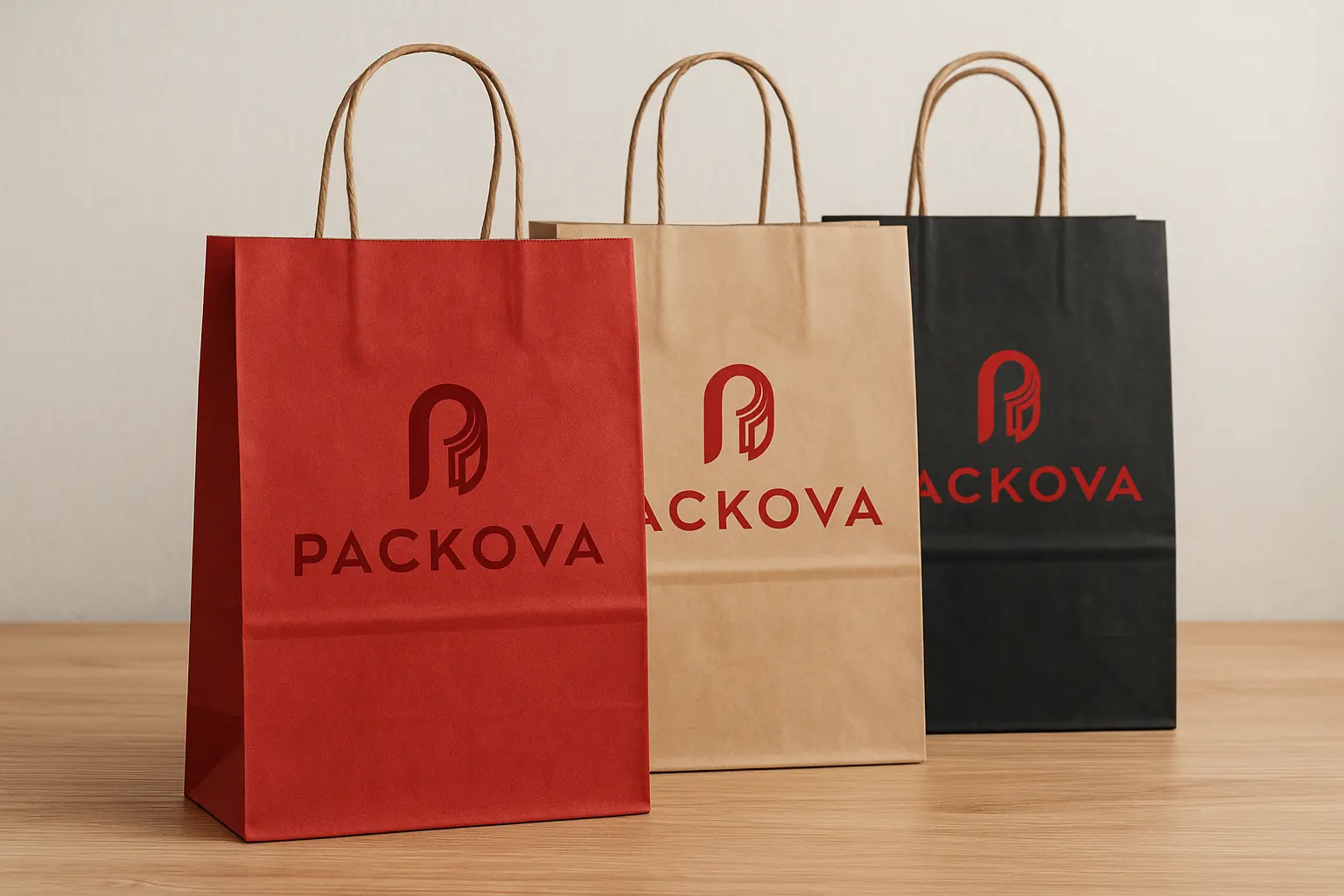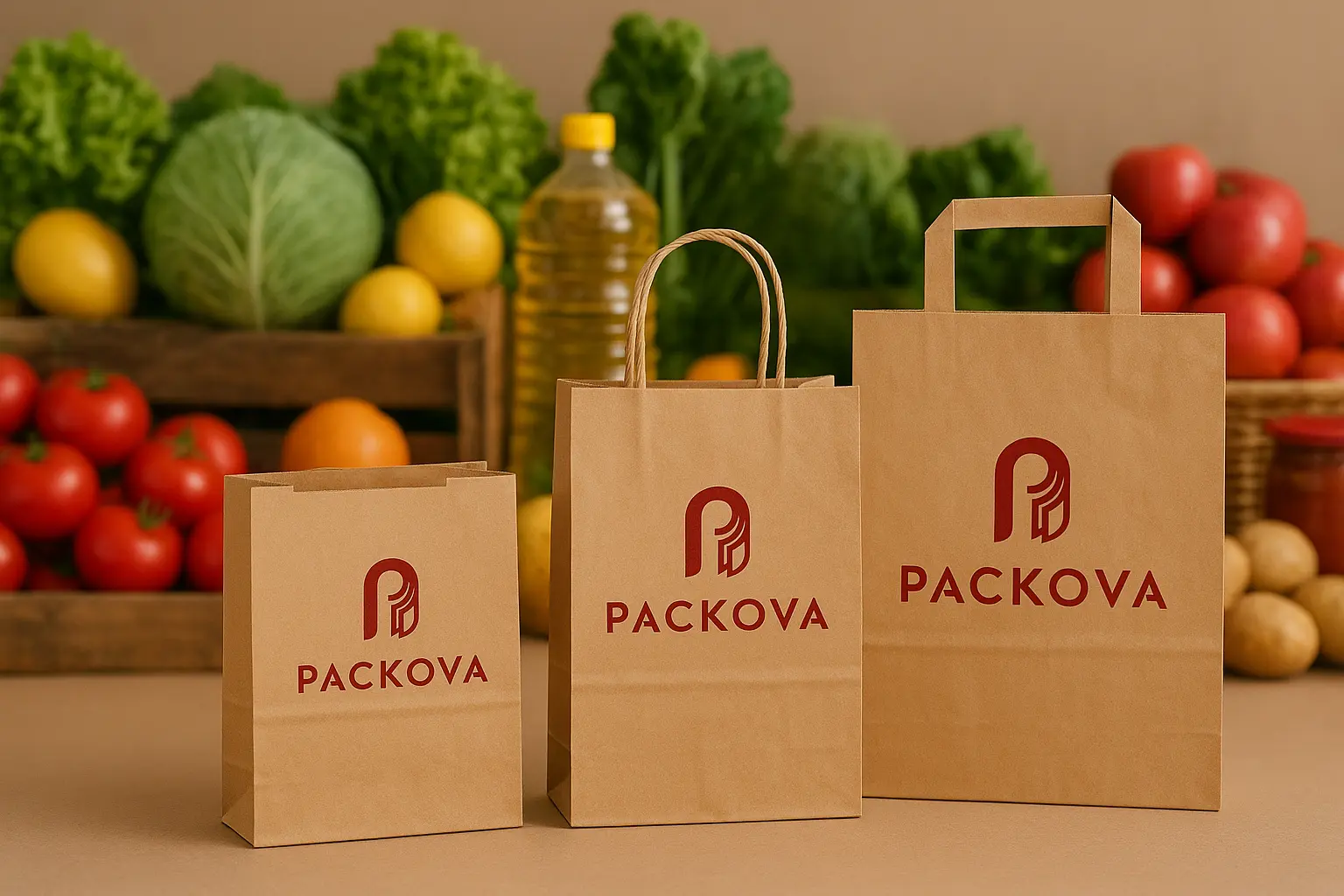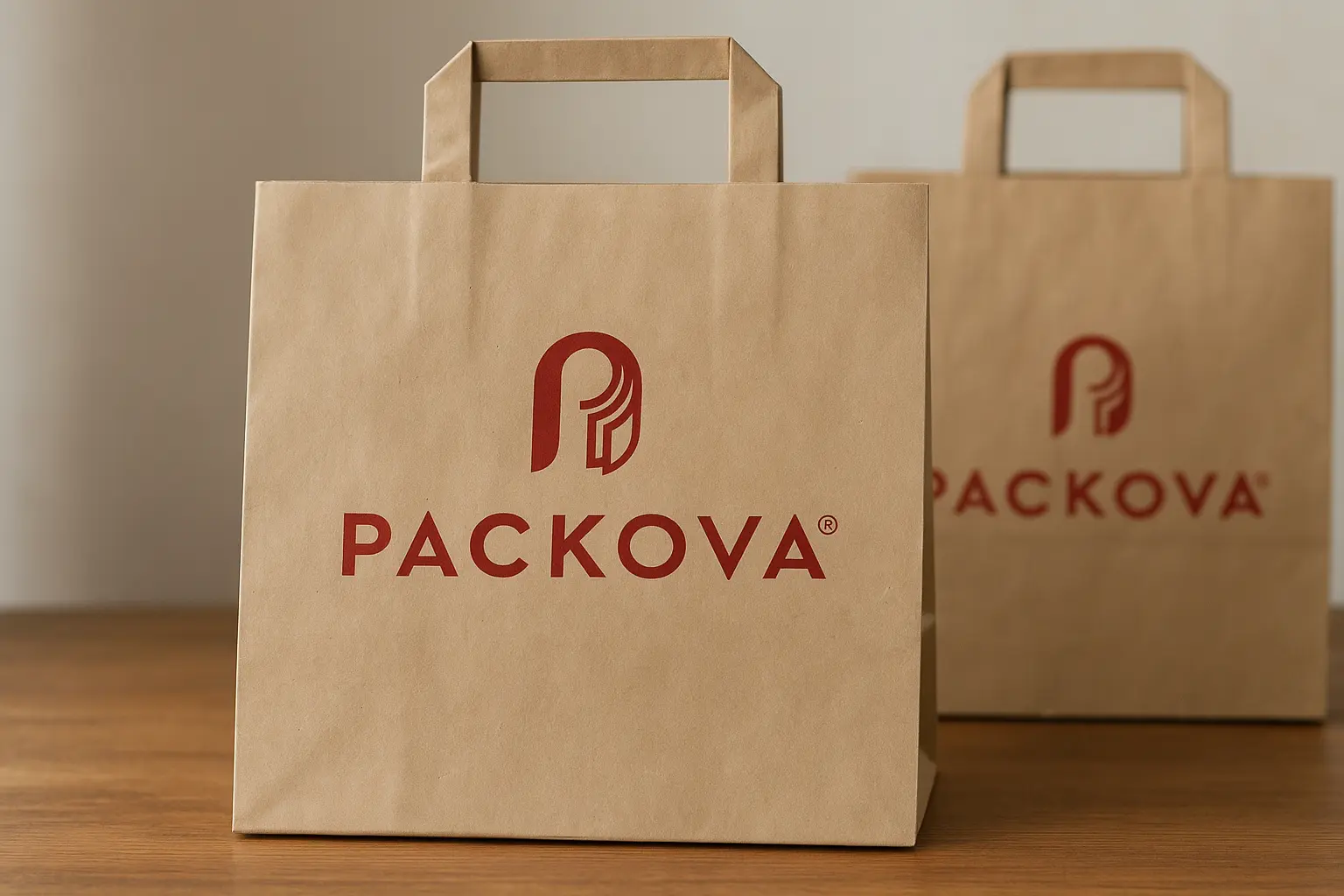
The global paper bag market has experienced remarkable growth in recent years, driven by regulatory changes, shifting consumer preferences, and an increasing recognition that kraft paper offers genuine practical advantages beyond its environmental credentials. Understanding why kraft bags are rising in market prominence — and what makes them genuinely practical — is essential for any business evaluating its packaging strategy.
The Regulatory Landscape
One of the most powerful drivers of kraft bag adoption has been the wave of plastic bag legislation that has swept across Europe, Turkey, and markets worldwide. Turkey's plastic bag regulation, which significantly restricted the use of single-use plastic bags in retail environments, accelerated an already growing trend toward paper packaging. Similar regulations in the European Union, the United Kingdom, and major markets across Asia and Africa have created a structural shift in packaging demand that is fundamentally reshaping the industry.
For businesses that had already begun the transition to kraft paper, the regulatory changes merely accelerated what they had already started. For others, the regulations served as a catalyst for discovering the many practical advantages that kraft bags offer — advantages that extend well beyond mere regulatory compliance.
Practical Advantages That Drive Adoption
Stackability and Storage Efficiency
Kraft paper bags, unlike many plastic alternatives, can be flat-packed and stored in much smaller spaces than their rigid counterparts. A flat-packed delivery of 10,000 kraft bags takes up a fraction of the storage space required for the equivalent in cardboard boxes, making supply chain management more efficient and reducing warehouse costs.
Speed and Ease of Use in Retail
For retail environments where speed matters — bakeries, delis, checkout counters — kraft bags offer excellent open-mouth characteristics. The bags open quickly and stay open during filling, reducing the time per transaction and improving the customer experience. The flat and twist handle variants each serve different throughput requirements, from quick-serve food environments to premium retail settings.
Print Quality and Brand Communication
Kraft paper provides a naturally textured surface that accepts printing exceptionally well. The warm, natural aesthetic of kraft paper combined with water-based ink printing creates a visual presentation that is difficult to achieve on plastic. Many premium brands have discovered that kraft packaging actually elevates their brand perception — the natural material communicates authenticity, quality, and environmental responsibility simultaneously.
Customer Reuse Behavior
Market research consistently shows that consumers are more likely to reuse kraft paper bags than plastic bags. The durability of twist-handle kraft bags in particular makes them suitable for multiple uses — as storage containers, gift bags, or general carrier bags. This extended use lifecycle amplifies the marketing value of printed bags significantly: each reuse is another brand impression in the hands of a customer or potential customer.
Which Sectors Are Leading the Transition?
Food Service and Bakeries
The food service sector has been among the earliest and most enthusiastic adopters of kraft paper packaging. The breathable properties of kraft paper are uniquely beneficial for baked goods, fresh produce, and dry foods. Artisan bakeries, in particular, have long embraced kraft paper as an authentic expression of their craft and quality commitment.
Retail Fashion and Boutiques
Fashion retailers and boutiques have discovered that twist handle kraft bags serve as a premium alternative to rigid paper bags at a fraction of the cost — while communicating the same sense of quality and care. The tactile experience of receiving a purchase in a sturdy, printed kraft bag contributes positively to the overall brand experience.
Pharmacies and Health Retailers
The pharmacy and health retail sector has historically been a significant user of paper bags — and modern kraft bag production has elevated this segment significantly. Clean, printed kraft bags communicate the trust and professionalism that health consumers expect, while the food-safe material properties ensure no chemical migration concerns for pharmaceutical products.
The Turkish Market Perspective
In Turkey, the kraft bag market has grown substantially since the plastic bag restrictions came into effect. Turkish manufacturers like Packova have invested in modern production capabilities to meet this growing demand, offering custom sizes, colors, and printing to businesses of all scales. Turkey's strategic position as a manufacturing hub means that Turkish-produced kraft bags are competitive both domestically and in export markets across Europe and the Middle East.
Looking Ahead
The trend toward kraft paper packaging shows no sign of reversing. As environmental regulation tightens globally, consumer consciousness continues to evolve, and the practical advantages of kraft paper become more widely understood, the market for kraft bags will continue to expand. Businesses that invest in quality kraft packaging now are positioning themselves ahead of this curve — building brand equity and customer loyalty with every bag they put into their customers' hands.
Ready to make the switch to kraft? Request a quote for your business today.