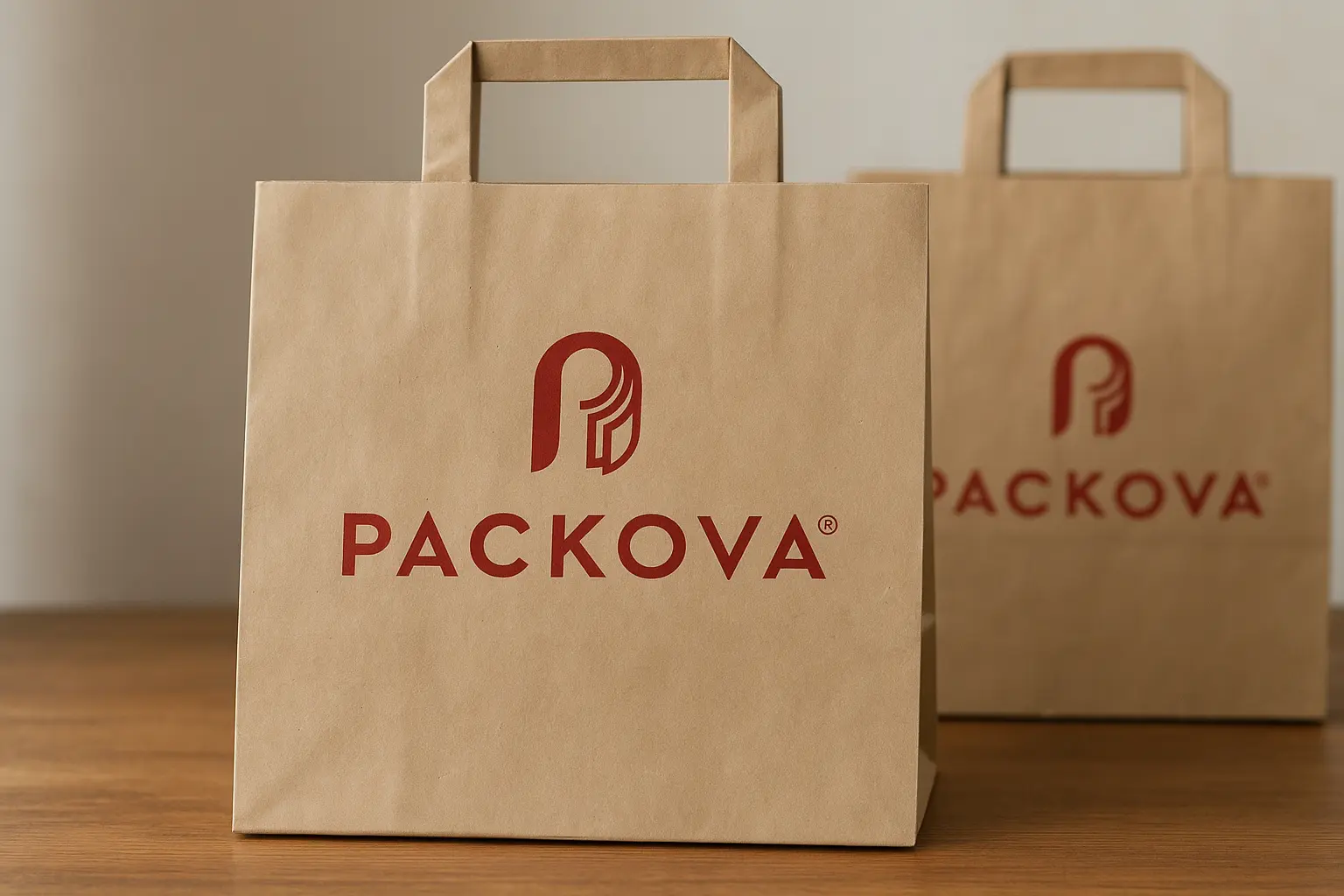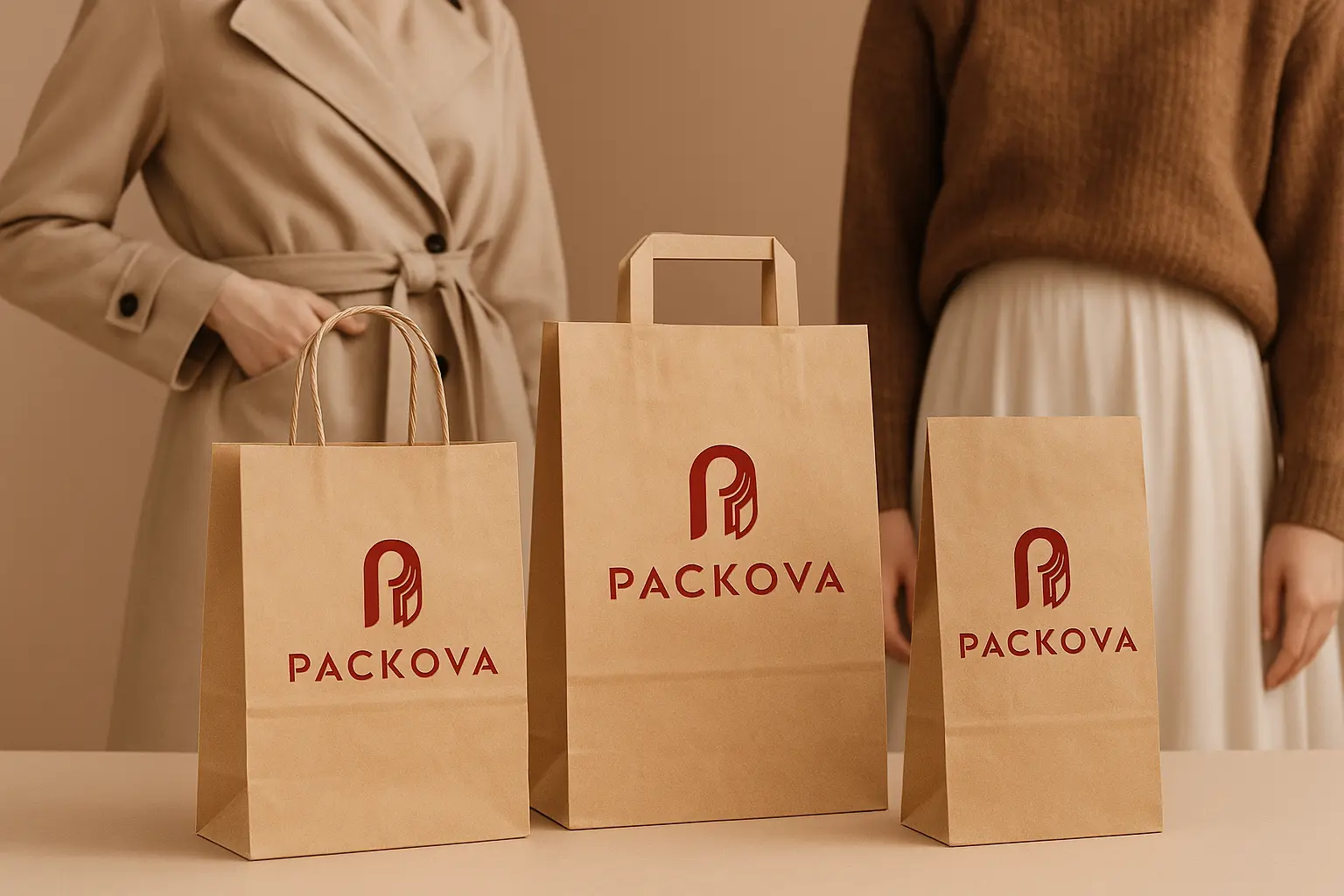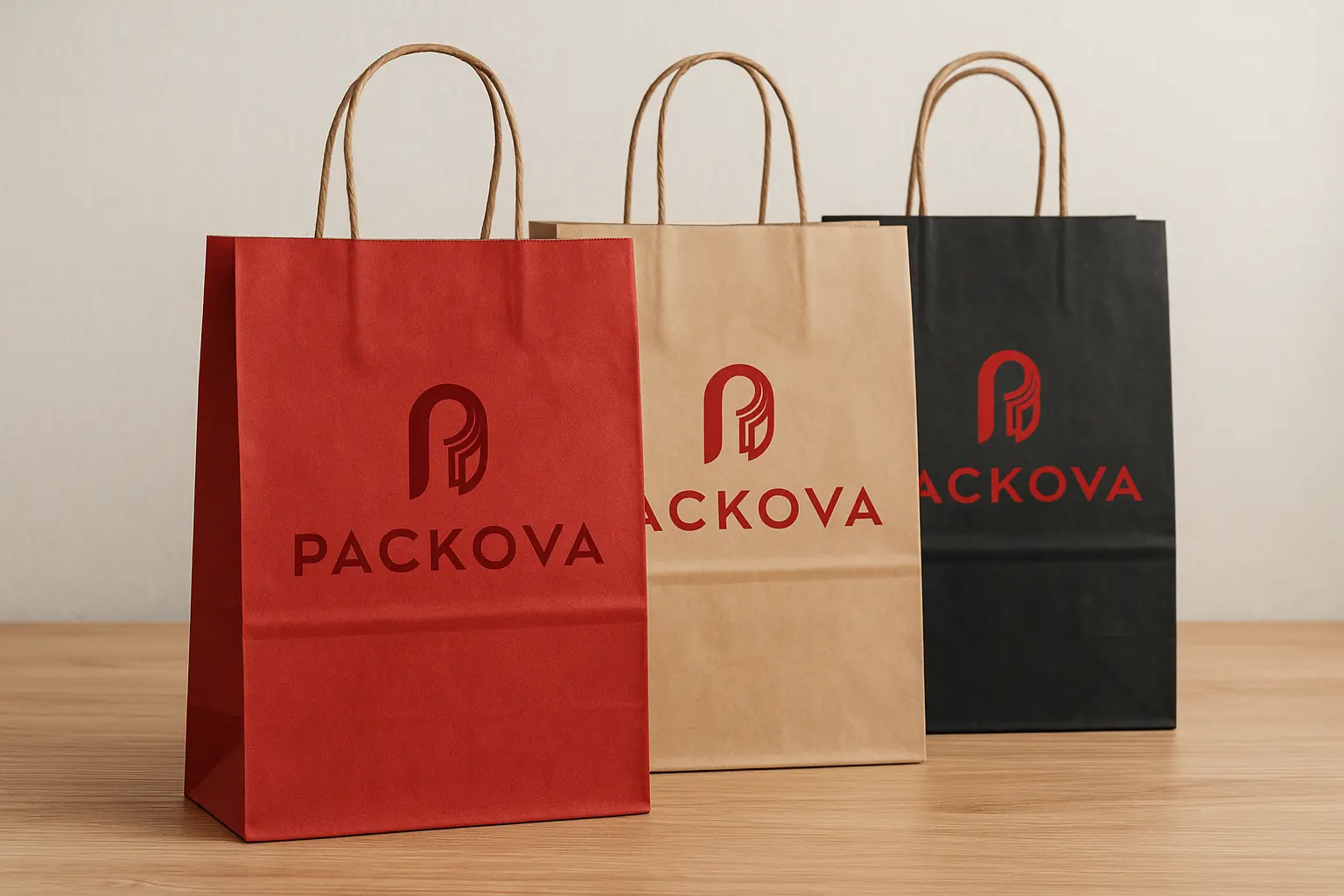
In today's world, where environmental consciousness has moved from niche concern to mainstream expectation, the packaging choices businesses make speak volumes about their values. Kraft paper bags have emerged as one of the most compelling answers to the dual challenge of environmental responsibility and food safety — and understanding why requires looking at both what kraft paper is and what it does.
What Makes Kraft Paper Environmentally Superior?
Kraft paper derives its name from the German word for "strength" — a fitting tribute to its remarkable structural properties. Produced through the kraft pulping process, which uses sodium hydroxide and sodium sulfide to break down wood pulp into strong cellulose fibers, kraft paper achieves a unique balance of durability and biodegradability that few other packaging materials can match.
Unlike synthetic materials such as polyethylene or polypropylene, kraft paper is produced from a renewable resource — wood — and decomposes naturally within weeks to months under natural conditions. In comparison, plastic bags can persist in the environment for 400 to 1,000 years, accumulating in landfills, waterways, and ecosystems with devastating effects on wildlife and human health.
The FSC® (Forest Stewardship Council) certification, which Packova proudly holds, ensures that the wood fiber used in kraft paper production comes from responsibly managed forests. FSC® certification is not merely a label — it represents a comprehensive framework of forest management that protects biodiversity, respects indigenous rights, and maintains ecological balance. When you purchase FSC® certified kraft bags from Packova, you are directly supporting responsible forest management practices.
The Food Safety Dimension
Beyond environmental credentials, kraft paper bags offer exceptional food safety characteristics that have made them the preferred choice of bakeries, restaurants, grocery retailers, and food producers worldwide. Understanding these properties is essential for any business operating in the food sector.
Breathability and Freshness
Kraft paper's naturally porous, breathable structure allows air to circulate through the bag — a property that is genuinely beneficial for certain food products. Fresh bread, pastries, and produce benefit from this breathability, as it prevents the accumulation of moisture that would otherwise accelerate spoilage and create conditions for bacterial growth. The result is that kraft-packaged bread stays fresher, crustier, and more appetizing for longer than bread stored in sealed plastic bags.
Water-Based, Food-Safe Inks
When Packova prints on kraft paper bags, we exclusively use water-based inks that comply with food contact regulations. These inks contain no harmful solvents, heavy metals, or toxic compounds that could migrate into food products. This commitment to food-safe printing means that even bags intended for direct food contact — such as those used for bakery items, nuts, or confectionery — are completely safe for consumers.
This is in stark contrast to some plastic packaging that may contain plasticizers, bisphenol A (BPA), or other chemical additives that can leach into food products over time or when exposed to heat — a growing public health concern.
The Carbon Footprint Comparison
A comprehensive lifecycle analysis of packaging materials consistently shows that kraft paper bags, when used and disposed of correctly, have a significantly lower carbon footprint than plastic alternatives. The key factors include:
- Renewable raw material: Wood is a renewable resource when managed sustainably, unlike petroleum-based plastics.
- Carbon sequestration: Trees absorb carbon dioxide during their growth, and responsible forest management ensures this cycle continues.
- Biodegradation: Kraft paper breaks down through natural processes, releasing organic compounds back into the soil without toxic residue.
- Recyclability: Kraft paper is accepted in standard paper recycling streams in most countries, allowing the fiber to be recovered and reused.
Meeting Consumer Expectations
Consumer research consistently shows that packaging choices influence purchase decisions, brand perception, and customer loyalty. A significant and growing proportion of consumers across all demographics actively prefer brands that demonstrate environmental responsibility through their packaging choices.
Kraft paper bags communicate these values clearly and authentically. The natural brown color and tactile texture of kraft paper signal sustainability and quality in ways that printed claims on plastic bags cannot. When a customer receives their purchase in a kraft paper bag, they receive not just a product but a statement about the brand's values — and that statement is being heard.
Conclusion: A Choice for Today and Tomorrow
The transition from plastic to kraft paper packaging is not a sacrifice of performance for principle. Properly manufactured kraft paper bags — like those produced by Packova with FSC® certified materials and ISO 9001 quality controls — offer superior breathability for food products, food-safe printing, remarkable durability, and complete recyclability.
Choosing kraft paper bags is choosing a packaging solution that works for your products, your customers, your brand, and the planet. At Packova, we are committed to helping businesses make this transition as seamlessly and cost-effectively as possible.
For custom eco-friendly kraft packaging solutions, contact us for a quote.