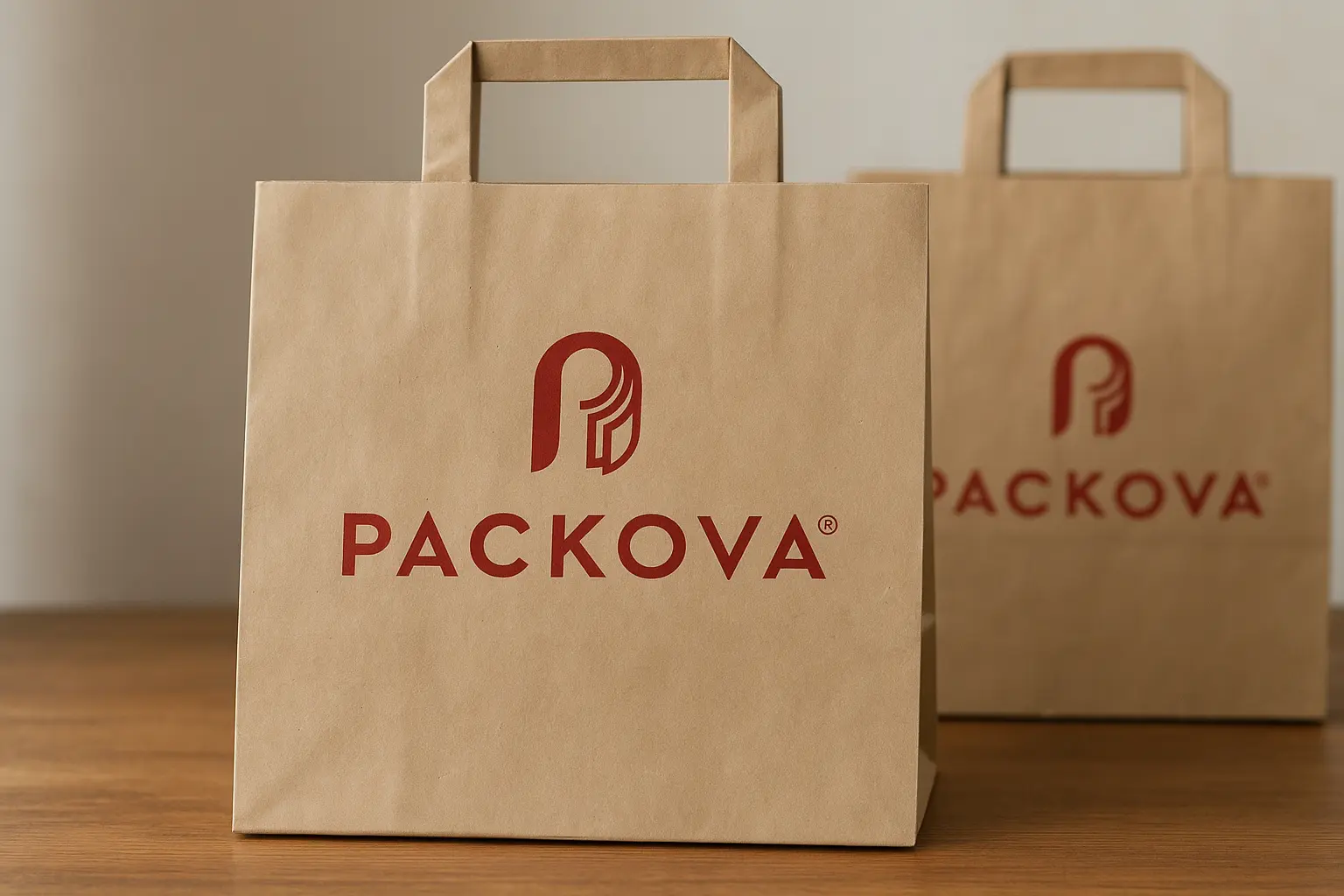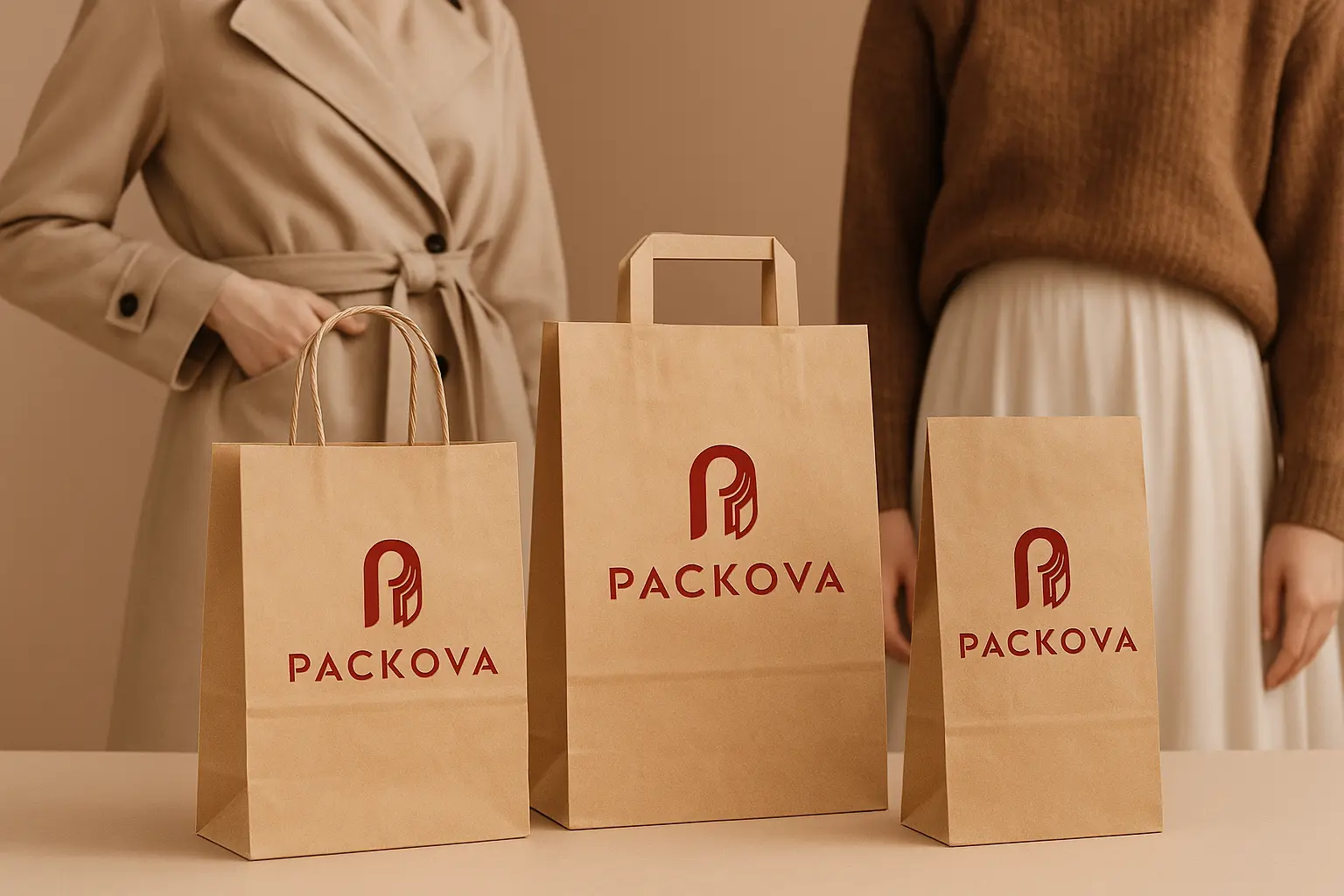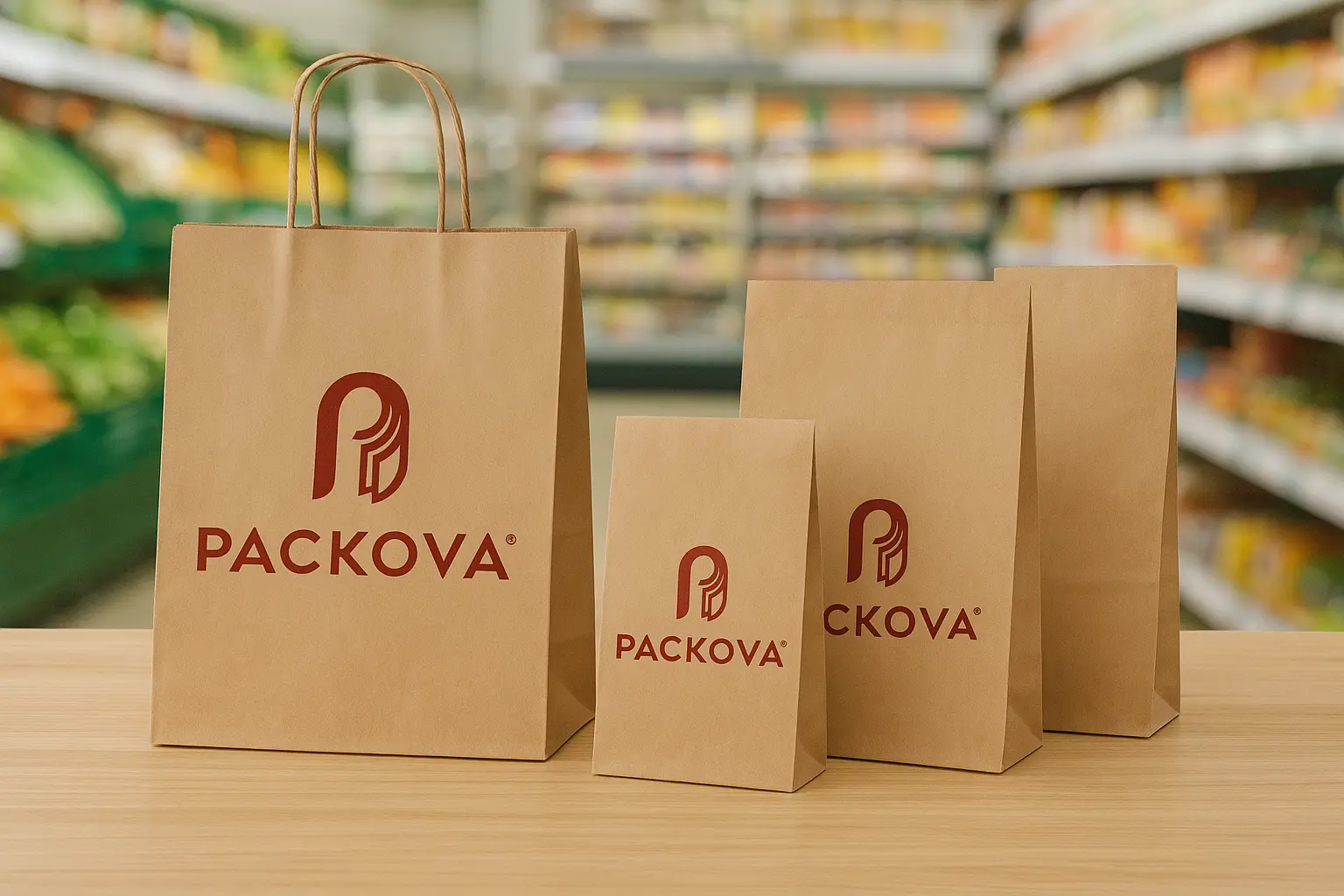
When businesses first consider switching to kraft paper bags, the immediate concern is often cost. The perception that paper bags are more expensive than plastic is widespread — but is it accurate? A careful analysis of the total cost of ownership, including regulatory compliance costs, brand value, and lifecycle factors, frequently reveals that kraft paper bags are not merely competitive with plastic — they can actually deliver superior value.
The True Cost Comparison: Kraft vs. Plastic
Comparing packaging costs requires looking beyond the per-unit price of a single bag. Several factors beyond the bag itself must be factored into the calculation:
1. Regulatory Compliance Costs
In Turkey, the plastic bag regulations introduced in recent years impose fees and restrictions on plastic bag usage. Businesses that continue to use plastic bags face both direct compliance costs and the reputational risk of being associated with environmentally harmful practices. Kraft paper bags are exempt from these restrictions, eliminating the compliance cost entirely. For businesses that previously paid the mandatory plastic bag fee, the switch to kraft paper often results in zero net cost increase when this factor is accounted for.
2. Brand Value and Premium Positioning
Packaging has documented economic effects on brand perception and customer willingness to pay. Research across multiple sectors shows that consumers associate quality packaging with product quality, and will accept higher price points for products that arrive in premium packaging. A kraft paper bag signals quality and environmental responsibility in ways that a plastic bag simply cannot — and this premium perception has measurable value in customer retention and repeat purchase rates.
3. Customer Reuse and Extended Marketing Value
A durable twist-handle kraft bag has a typical reuse rate of 3–5 additional uses by the customer — as a storage bag, a shopping bag, or a gift bag. Each of these reuses generates a brand impression for the business whose logo is printed on the bag. In cost-per-impression terms, a printed kraft bag that is reused five times generates five times the marketing value of a single-use plastic bag. This extended brand exposure has real economic value that never appears in a simple per-unit price comparison.
4. Kraft vs. Cardboard: The Often Overlooked Comparison
For many retail applications, the more relevant comparison is not kraft paper vs. plastic, but kraft paper bags vs. cardboard boxes. Kraft bags offer substantial cost advantages over rigid cardboard packaging:
- Lower material cost per unit for equivalent volume
- Much lower storage cost — flat-packed bags occupy a fraction of the storage space of assembled boxes
- Lower shipping cost per unit when delivered to your facility
- Faster packaging time — bags open and fill more quickly than boxes require assembly
- Lower weight contribution to shipped orders, reducing delivery costs
Economies of Scale with Packova
One of the most effective ways to reduce the per-unit cost of kraft bags is volume purchasing. Packova offers competitive pricing at every quantity tier, with significant cost reductions available for larger orders. For businesses with predictable, high-volume packaging needs, negotiating volume pricing or establishing a regular supply relationship with Packova can reduce packaging costs substantially compared to purchasing smaller quantities reactively.
Planning Your Order for Maximum Value
To maximize cost-efficiency with kraft bag purchases, consider the following strategies:
- Consolidate sizes: If your business uses multiple bag sizes, consolidating to 2–3 well-chosen sizes that cover your range of products will allow higher volume per size and therefore better per-unit pricing.
- Plan seasonal orders: If your business has seasonal peaks, ordering sufficient stock for peak periods in advance avoids rush order premiums and ensures availability when you need it most.
- Standardize printing: A well-designed, timeless brand print that doesn't require seasonal redesign maximizes the value of the print setup cost across a longer production run.
The Sustainability Dividend
Beyond direct cost comparisons, businesses that adopt sustainable packaging often experience measurable benefits in customer acquisition and retention. Sustainability credentials help businesses meet procurement requirements of corporate clients and retail chains who have internal sustainability commitments. For B2B suppliers, the ability to demonstrate FSC® certified, recyclable packaging can be a qualifying criterion in tender processes and supplier evaluations.
Calculating Your Total Cost of Ownership
To accurately assess whether kraft paper bags represent a cost-effective choice for your specific business, we recommend a total cost of ownership analysis that includes:
- Per-unit bag cost at your required volume
- Storage and handling cost reduction vs. rigid alternatives
- Compliance cost savings from eliminated plastic bag fees
- Estimated brand value uplift from premium packaging
- Marketing impression value from customer reuse
- Customer acquisition value attributable to sustainability credentials
When all these factors are included, the economics of kraft paper bags are frequently more favorable than the per-unit price alone suggests. Packova's team is happy to discuss your specific situation and help you calculate the real cost comparison for your business.
Calculate your packaging ROI with Packova. Contact us for a competitive quote today.